Design Leadership, Zero to Ten
I grew Dignari’s design capability from one person to a ten-person multidisciplinary organization, then helped integrate the practice into EY after acquisition.
At a Glance
The situationA federal technology firm with no design function. I was employee 24.
My roleHead of Design: hiring, career paths, standards, critique, and the operating model.
The workTen practitioners, one design system, fifty-plus applications, a 2020 rebrand at peak growth.
What changedA durable capability, strong enough to be part of the case when EY bought the firm.
Ten people.
Fifty applications.
Millions of users.
The Ratio
Zero to ten.
Built from nothing.
I was employee 24, and I built the design and customer experience function from nothing: UX, research, content, visual. The firm grew to roughly three hundred people. My design team stayed at ten, and we carried more than fifty applications across desktop, mobile, tablet, and AR. That meant hiring for complementary strengths, writing career paths, running critique, and building an operating model where standards did the scaling.
After EY acquired Dignari in 2024, I helped integrate the practice into the larger organization: shared ways of working, standards, mentorship structures, and review paths across more than twenty practitioners.
The standards decision.
The standard did the scaling.
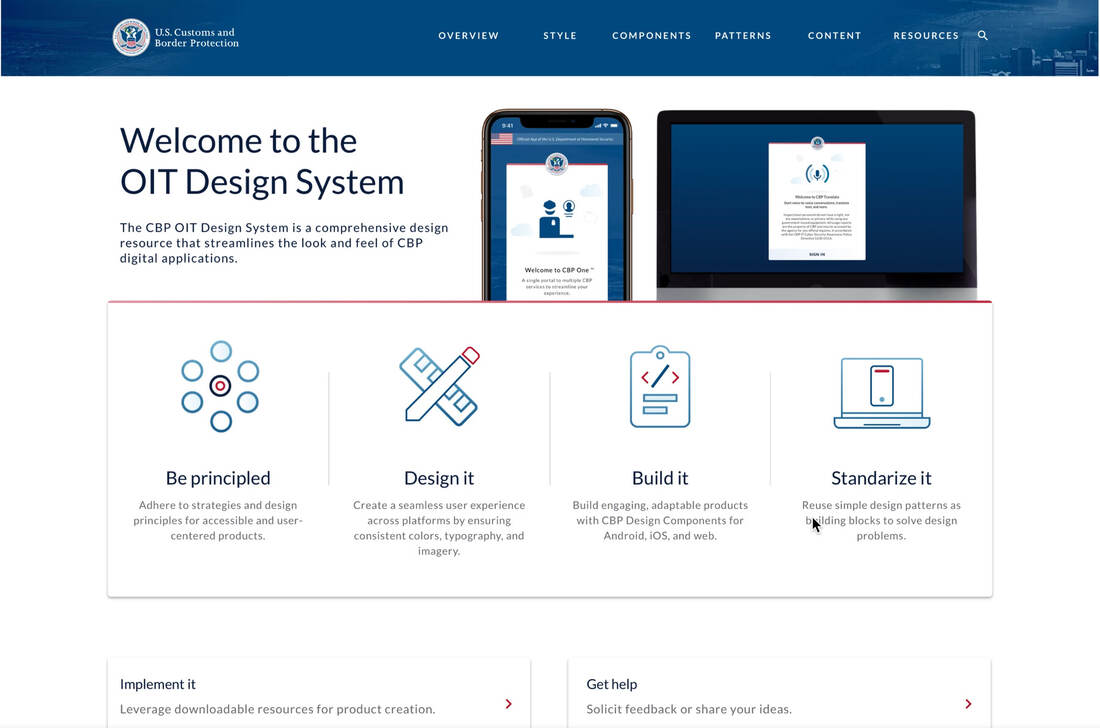
Keeping that many applications consistent with a team that small isn’t heroics. It’s systems. We built a reusable design system on Material and USWDS foundations, and it’s been in use every day since 2018. That standard is what let us scale.

The identity underneath.
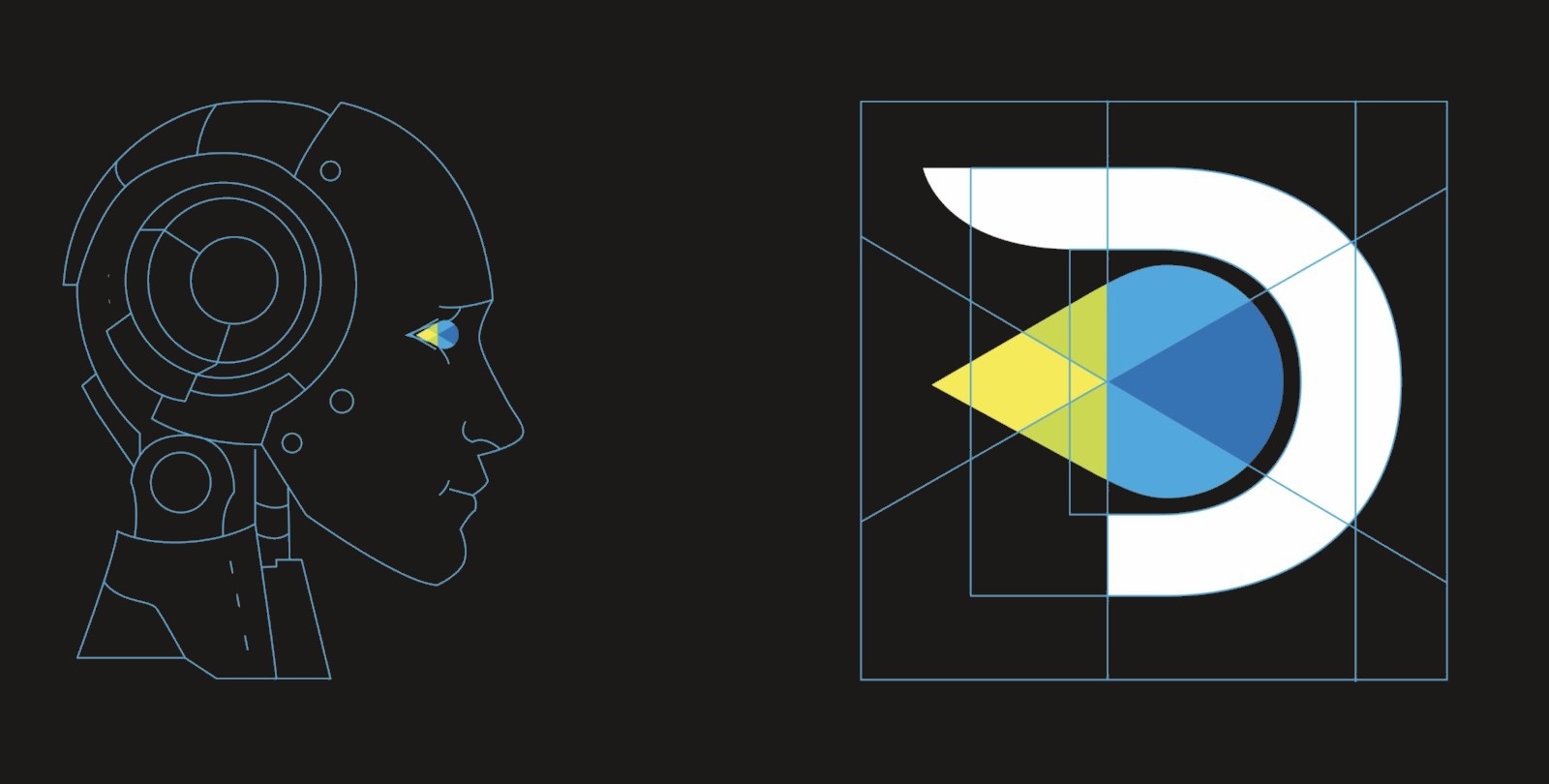
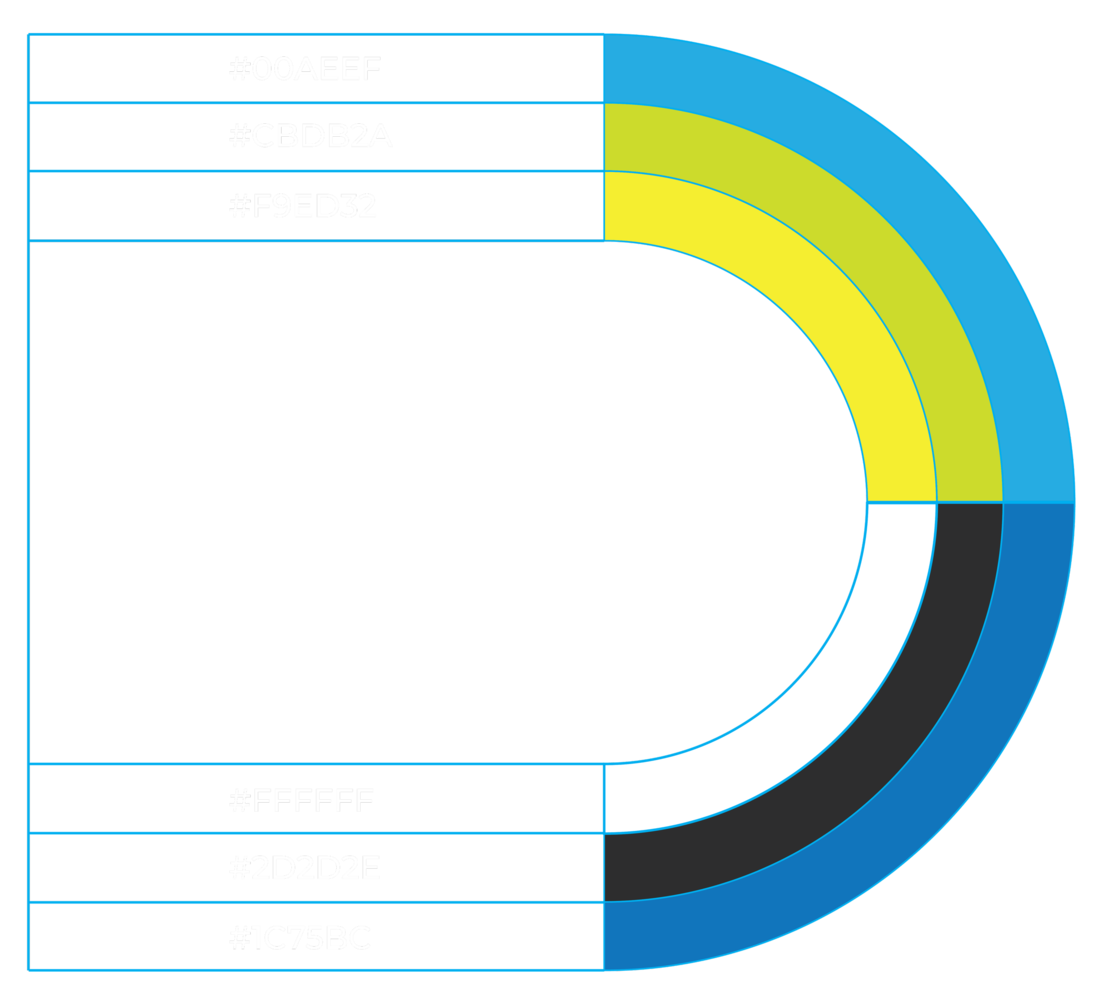
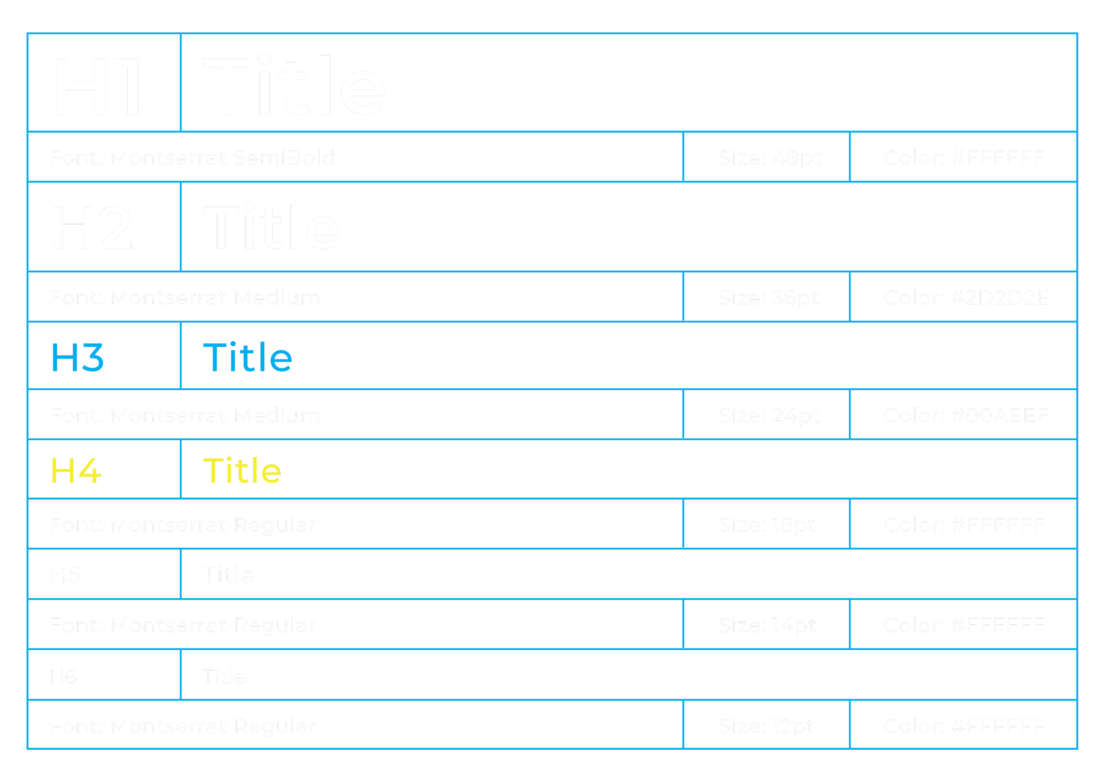
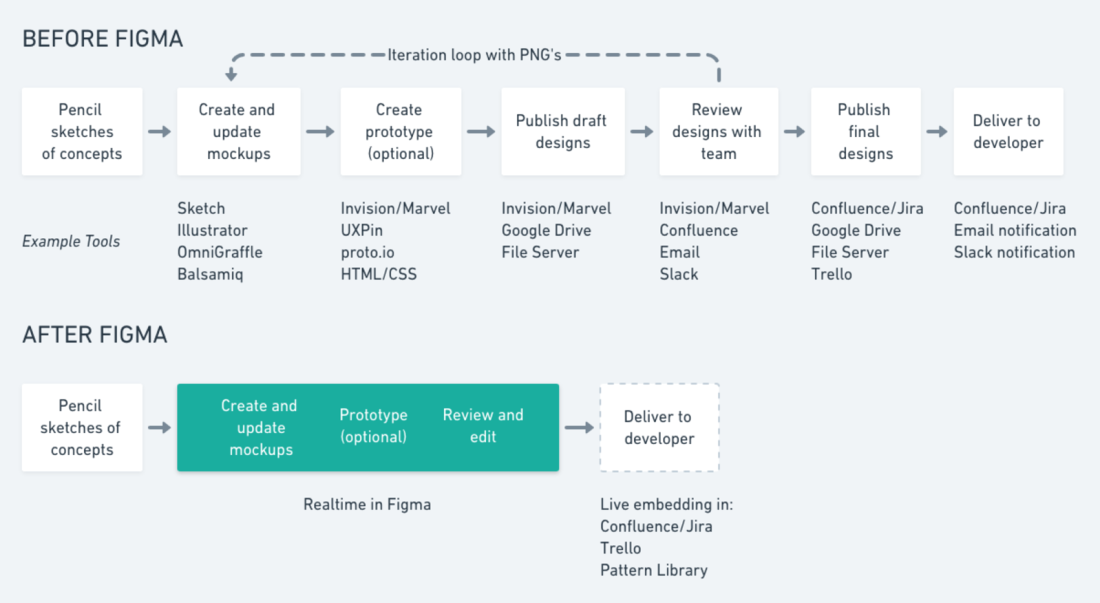
In 2020, while the firm tripled, I led its rebrand. The old mark was a parachute: steady, careful, descending. The firm had outgrown it. The new one had to accelerate. Not a coat of paint: a constructed mark, a color system, typography, an icon language, and a pattern, documented so thoroughly that a ten-person team could apply it without me in the room. The same year the practice modernized its whole design pipeline into Figma, cutting the tool chain from nine steps to four.


Alongside the firm’s own identity, the practice built and stewarded a suite of program marks for U.S. Customs and Border Protection. Each a commissioned identity for a distinct initiative, delivered and handed off to agency program teams.
Program identity suite · U.S. Customs & Border Protection


The research discipline.
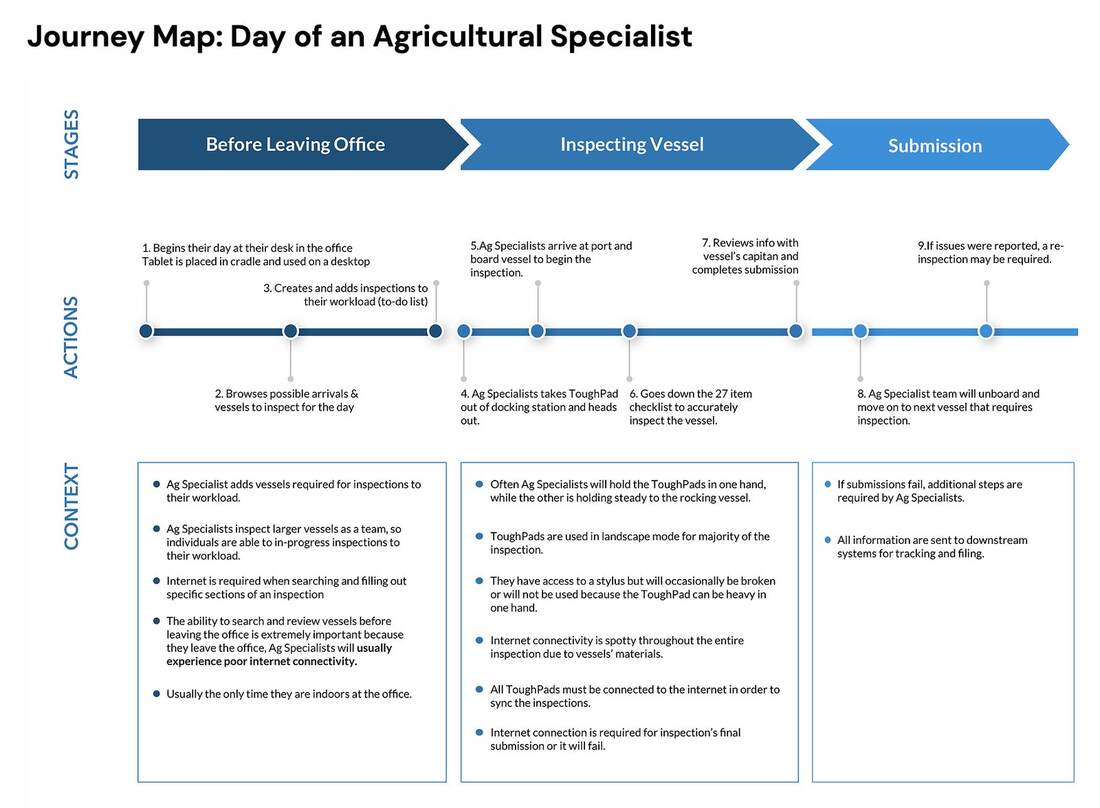
We mapped the day before we drew the screen.
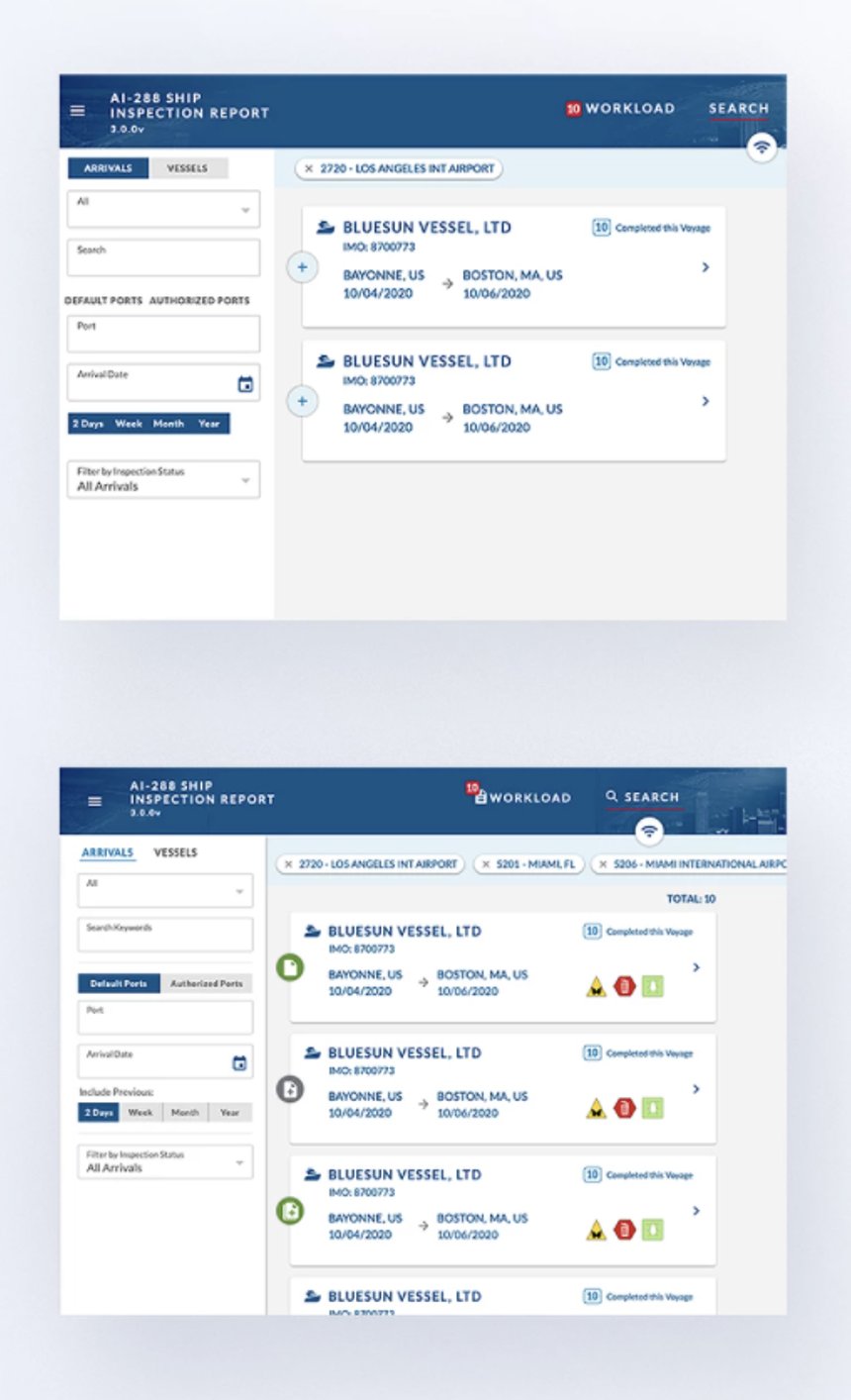
AI-288 is the inspection tool agricultural specialists use at seaports. The legacy app was six years old and built without UX support. My team mapped a specialist’s actual day, then redesigned the tool around it.


Product imagery from Dignari portfolio materials. Identity and system imagery from Dignari brand materials. CBP One and AI-288 are products of U.S. Customs and Border Protection.
Before the wave had a name.
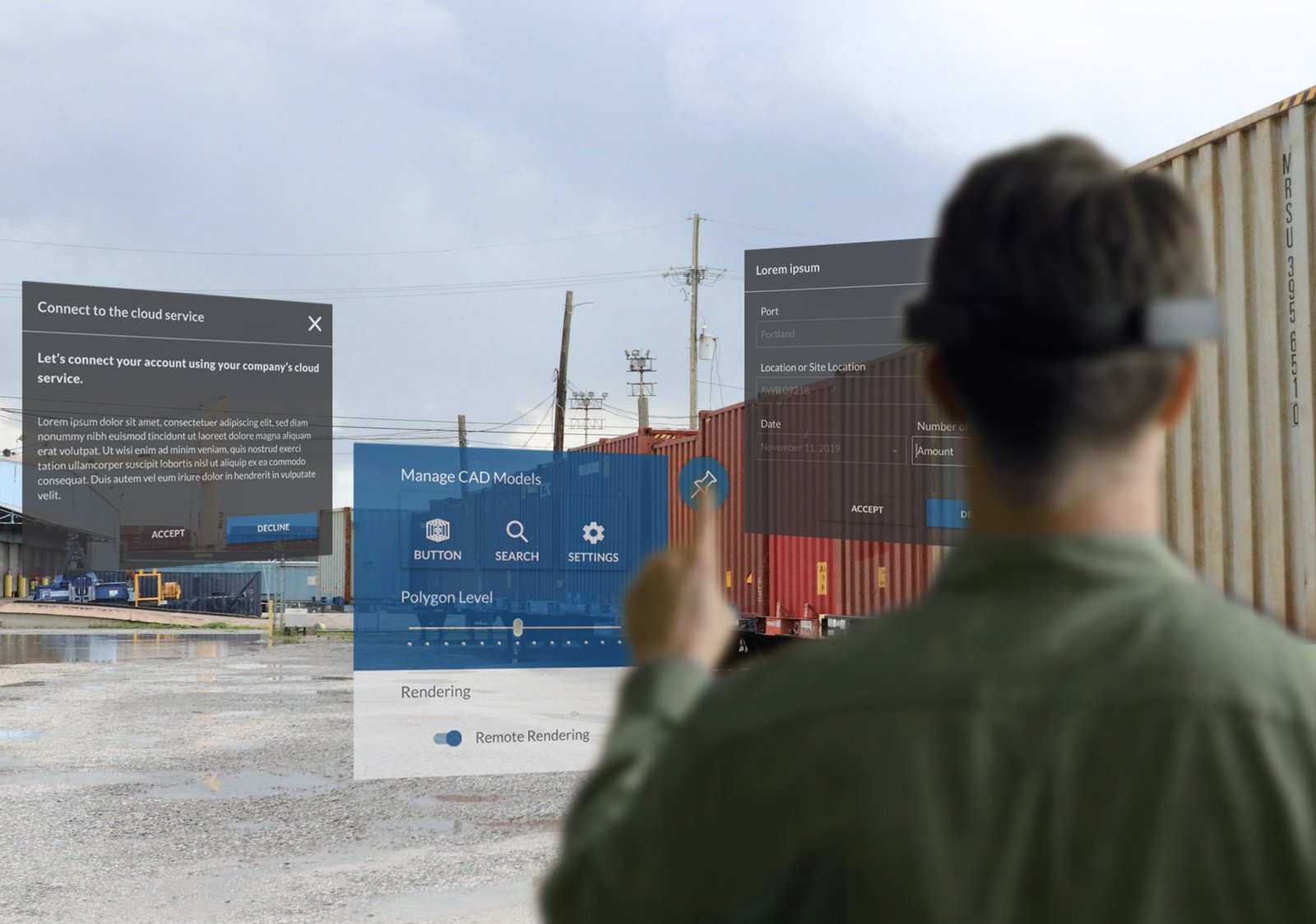
Years before generative AI was a headline, the practice was designing for machine intelligence at a border agency: a voice translation tool for officers, an enterprise chatbot, and a HoloLens application that used object recognition to help spot counterfeits. New technology inside a compliance culture. That combination is still rare.

What it added up to.
One designer → a ten-person multidisciplinary practice → integrated into EY.
Strong enough to be part of the acquisition case.
A small team, a large surface, millions of users. I led a rebrand in 2020, right when the firm was growing fastest. By 2024 the practice was strong enough to be part of the case when EY bought the firm, and after the acquisition, the ways of working I built were adopted across more than twenty practitioners at EY.
I built more than a team: standards, career paths, and ways of working that made design a durable capability through growth and integration.